Building a Modern Digital Education Learning Platform for Every Learner
The landscape of knowledge acquisition has shifted dramatically in the last decade. What was once confined to lecture halls and physical textbooks is now accessible from anywhere with an internet connection. At the heart of this transformation lies the Digital Education Learning Platform. These systems are no longer just repositories for PDFs; they are dynamic ecosystems designed to facilitate interaction, track progress, and deliver personalized educational experiences. For adults seeking practical solutions to upskill, retrain, or deepen their expertise, understanding how to leverage these platforms is essential.
Understanding the Core of a Digital Education Learning Platform
A Digital Education Learning Platform is a comprehensive software solution that enables the delivery, management, and tracking of educational content online. Unlike simple video hosting sites, these platforms integrate course creation tools, student management systems, assessment engines, and communication features into a single interface. They serve as the virtual campus where instructors can upload video lessons, host webinars, and distribute ebooks, while learners can engage in discussions, complete assignments, and earn certificates.
The modern iteration of these platforms goes beyond basic content delivery. They utilize data analytics to understand learner behavior, offering adaptive learning paths that adjust to individual pace and comprehension levels. Whether it is a corporate training module on compliance, a university degree program delivered via distance education, or a hobbyist learning graphic design through mobile learning apps, the underlying architecture remains focused on accessibility and engagement.
Identifying Challenges in Remote and Distance Education
Despite the benefits, implementing and utilizing a Digital Education Learning Platform comes with distinct challenges. One of the most significant hurdles is maintaining learner motivation. Without the physical presence of an instructor or peers, adult learners often struggle with self-discipline and isolation. The screen can feel cold and impersonal if not designed with empathy and interactivity in mind.
Another critical issue is the fragmentation of resources. Many organizations find themselves juggling multiple tools: one for video conferencing, another for document storage, a third for quizzes, and yet another for certification. This disjointed experience creates friction, leading to lower completion rates. Furthermore, there is the challenge of visual consistency. A platform that looks outdated or confusing can undermine the credibility of the content itself. In the realm of education technology, user experience (UX) is paramount. If a learner cannot easily navigate to a tutorial or download a diploma, the value of the entire system diminishes.
How a Robust Platform Addresses These Needs
A well-structured Digital Education Learning Platform addresses these pain points by centralizing the learning journey. By consolidating all aspects of the educational process—from registration to graduation—into one cohesive environment, the platform reduces cognitive load for the user. It provides a clear roadmap, showing exactly what needs to be done next, which helps combat the feeling of being overwhelmed.
Interactivity is also key to solving the engagement crisis. Modern platforms incorporate gamification elements, such as badges for achievements and leaderboards for friendly competition. These features tap into the psychological need for recognition and accomplishment. Additionally, robust communication tools within the platform, such as discussion forums and live chat, foster a sense of community. When learners can connect with peers during a webinar or ask questions in a virtual classroom, the isolation of remote learning fades away.
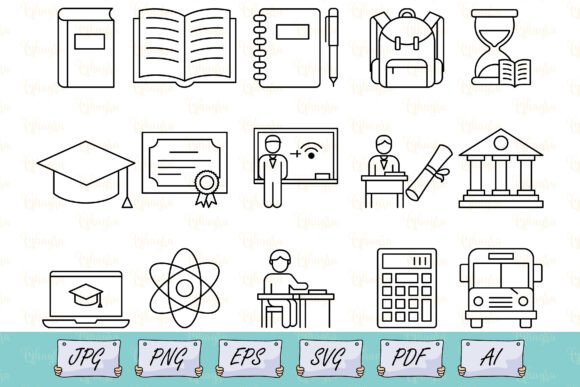
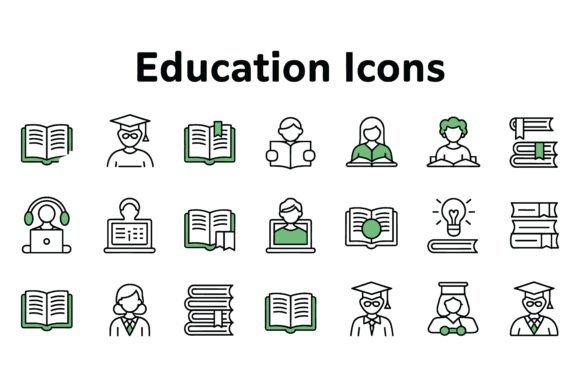
Visual clarity plays a surprisingly large role in usability. A platform that utilizes a consistent set of icons and intuitive navigation guides users effortlessly. For instance, a clearly defined icon for a "video lesson" versus an "ebook" helps users quickly identify the type of content they are about to consume. This visual language is crucial for reducing confusion and ensuring that the focus remains on learning rather than navigating the interface.
Practical Applications and Real-World Outcomes
The applications of a Digital Education Learning Platform are vast and varied, catering to different sectors and goals. In the corporate world, companies use these systems for employee onboarding and continuous professional development. Instead of sending staff to expensive off-site seminars, organizations can deploy a standardized training curriculum that ensures every employee meets the same competency standards. The outcome is a more skilled workforce and reduced training costs.
In the academic sector, universities are leveraging these platforms to offer hybrid degrees. Students can attend lectures remotely while reserving campus time for labs and group projects. This flexibility allows working adults to pursue higher education without sacrificing their careers. The ability to access an online library or view recorded tutorials at any time of day accommodates diverse schedules, making education more inclusive.
For independent educators and creators, these platforms provide the infrastructure needed to monetize their expertise. By packaging knowledge into structured courses with downloadable resources like PDFs and JPG worksheets, instructors can reach a global audience. The platform handles the technical heavy lifting, allowing the creator to focus on content quality and student support.
Strategies for Different User Groups
While the core functionality remains the same, different users approach a Digital Education Learning Platform with unique priorities:
- Administrators and Educators focus on scalability and analytics. They need tools that allow them to create complex curricula, manage large cohorts of students, and generate detailed reports on performance. For them, the platform is a command center for educational strategy.
- Corporate Trainers prioritize integration and speed. They often need to push out urgent updates or compliance training to thousands of employees simultaneously. Their success metric is completion rate and knowledge retention.
- Learners and Students care about accessibility and ease of use. They want a seamless experience across devices, whether they are studying on a desktop computer or using a mobile app during their commute. For them, the platform must be intuitive, fast, and visually appealing.
The Role of Visual Identity and Iconography
One often overlooked aspect of a successful Digital Education Learning Platform is its visual identity. In a digital environment, icons serve as the primary navigational cues. A well-designed icon set can make a complex interface feel simple and inviting. Whether you are building a custom solution or selecting a vendor, consider the importance of high-quality graphics.
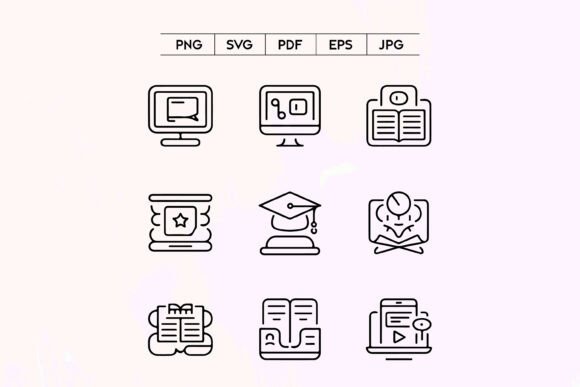
Effective platforms utilize vector-based graphics, such as SVG files, which scale perfectly on any screen size without losing resolution. This is critical for mobile learning, where users might be viewing content on small smartphone screens. A comprehensive icon set should cover all necessary actions: accessing a virtual classroom, downloading a certificate, watching a video lesson, or joining a webinar. Using minimal, line-style icons can contribute to a modern, clean aesthetic that reduces visual clutter.
Furthermore, having assets available in various formats like PNG, EPS, and PDF ensures versatility. Designers can use EPS files for print materials like diplomas and brochures, while developers implement SVG code directly into the web application. This consistency in branding reinforces trust and professionalism, signaling to the user that the educational content is of high quality.
Recommendations for Implementation
When selecting or building a Digital Education Learning Platform, start by defining your specific learning outcomes. Are you aiming for certification, skill acquisition, or brand awareness? Your goals will dictate the features you require. Prioritize platforms that offer strong mobile responsiveness, as a significant portion of learning now happens on smartphones.
Invest in content quality and visual design. Do not simply dump text onto a page. Use multimedia elements, interactive quizzes, and clear visual aids to enhance understanding. Ensure that your navigation is logical and supported by intuitive icons. Finally, gather feedback early and often. The best platforms evolve based on the actual needs and behaviors of their users.
By focusing on these practical considerations, you can transform the way knowledge is shared and consumed. A Digital Education Learning Platform is more than just software; it is a bridge connecting curiosity with competence, empowering individuals and organizations to thrive in an increasingly digital world.