Funny Kid Runs to School: The Visual Language of a Cute Student with Bag
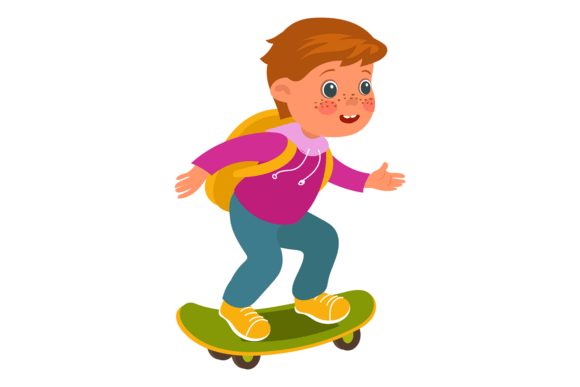
In the vast ecosystem of digital media, few images capture the universal spirit of childhood as effectively as the concept of a Funny Kid Runs to School. Cute Student W. This specific visual archetype, often rendered in a vector cartoon flat style isolated illustration, transcends cultural barriers and speaks directly to the shared human experience of education. Whether depicted as an African girl walking by foot or a generic student sprinting with a backpack, these images serve as more than just decorative elements; they are powerful communicators of public education values, urgency, and the simple joy of learning.
The phrase "Funny kid runs to school" might seem like a simple description of a child's morning routine, but when translated into professional graphic design, it becomes a complex narrative tool. It encapsulates energy, determination, and the playful nature of youth. For educators, designers, and content creators, understanding the nuances of this imagery is essential for crafting messages that resonate with a broad audience ranging from policy makers to parents.
The Anatomy of the Vector Cartoon Flat Style
When analyzing why a Cute student with bag go for lessons illustration works so well, one must first examine the technical execution. The vector cartoon flat style has become the dominant aesthetic in modern web design and educational materials. Unlike realistic photography, which can sometimes carry unintended cultural or socioeconomic baggage, flat vector art simplifies reality into its most recognizable forms.
This style relies on bold colors, clean lines, and a lack of complex shading or gradients. When a designer creates an image of a Funny Kid Runs to School, the flat style ensures that the focus remains entirely on the action and emotion. The isolation of the character against a white background allows for maximum versatility. A single EPS file can be dropped onto a website banner, a printed flyer, a mobile app icon, or a social media post without losing quality or requiring extensive editing.
Furthermore, the scalability of vector graphics means that the same illustration of a cute student can appear tiny on a smartphone screen and massive on a billboard. This technical advantage makes the format indispensable for businesses and organizations looking to maintain brand consistency across various platforms. The simplicity of the flat style also reduces cognitive load for the viewer, allowing them to instantly understand the message: a child is eager to learn.
Character Design and Emotional Resonance
The effectiveness of the "Cute Student W" concept lies heavily in character design. In these illustrations, exaggeration is key. Large eyes, expressive limbs, and dynamic poses convey emotions that text alone cannot achieve. When a kid is shown running, the angle of their body, the position of their arms, and the flapping of their clothes all contribute to a sense of motion and excitement.
Consider the depiction of an African girl walk by foot. In a flat vector style, this character can be designed with vibrant patterns on her clothing, reflecting cultural richness while maintaining the clean aesthetic required for modern interfaces. The act of walking, rather than running, might suggest a different narrative—one of steady progress, community, or resilience. These subtle variations allow creators to tailor the emotional tone of their content without changing the fundamental subject matter.
The "funny" aspect of the title suggests a touch of humor or whimsy. Perhaps the student is tripping over their own feet, or their bag is comically large compared to their small frame. These details humanize the character and make the image memorable. In the context of public education, humor is a vital engagement tool. It breaks down barriers and makes the topic of schooling feel approachable and positive rather than rigid or institutional.
Narrative Potential in Educational Marketing
Beyond aesthetics, the Funny Kid Runs to School. Cute Student W imagery serves as a cornerstone for storytelling in educational marketing. Public education campaigns often struggle to communicate abstract concepts like literacy rates, attendance importance, or curriculum quality. A well-crafted illustration bridges this gap by providing a concrete focal point.
For instance, a campaign promoting early morning attendance could utilize an image of a child sprinting toward a school gate. The visual immediately conveys the message of punctuality and enthusiasm. Conversely, an image of a student walking calmly with a heavy bag might be used to discuss the challenges of long commutes or the weight of academic expectations. The versatility of the "student with bag" motif allows for a wide range of narratives.
In the realm of digital content, these images function as visual anchors. When a blog post discusses the benefits of public education, a header image of a happy, running child sets a positive tone before the reader even processes the first sentence. This psychological priming is crucial for keeping audiences engaged. It signals that the content will be uplifting and relevant to the daily lives of families.
Cultural Representation and Inclusivity
One of the most significant advantages of using custom vector illustrations is the ability to control representation. Stock photography often lacks diversity or presents stereotypes. By commissioning or selecting specific illustrations, such as an African girl walk by foot, organizations can ensure that their messaging is inclusive and representative of the global student population.
This inclusivity is not merely a box-ticking exercise; it is a strategic necessity. Children need to see themselves reflected in the materials they consume. When a young student sees an illustration that looks like them—whether they are running, walking, carrying a specific type of bag, or wearing traditional attire—it fosters a sense of belonging. This connection can have a profound impact on their attitude toward education.
Moreover, for international NGOs and government bodies working on public education initiatives, culturally accurate imagery builds trust. It demonstrates an understanding of local contexts and realities. An illustration that acknowledges the reality of children walking long distances to school validates their experiences and shows that the organization is attuned to the challenges they face.
Practical Applications for Creators and Businesses
The utility of the Funny Kid Runs to School. Cute Student W concept extends far beyond non-profits and schools. Commercial entities, app developers, and freelance designers frequently leverage this imagery to connect with family-oriented demographics. The "cute student" trope is a reliable asset in the toolkit of any creative professional.
Educational Technology (EdTech)
Startups developing learning apps often use flat vector characters as mascots. A running kid can represent speed and efficiency in learning algorithms, while a walking student might symbolize a step-by-step tutorial process. These characters guide users through interfaces, making complex software feel friendly and accessible.
Publishing and Print Media
Textbook publishers and worksheet creators rely heavily on these illustrations to break up walls of text. A page about fractions becomes much more engaging if accompanied by a funny kid struggling to share a pizza with friends. The visual aids comprehension and retention, particularly for younger learners who are still developing reading skills.
Digital Advertising and Social Media
In the fast-paced environment of social media, attention spans are short. A static image of a Cute student with bag go for lessons can stop a user from scrolling. When paired with a compelling headline about back-to-school sales or scholarship opportunities, the image drives clicks and conversions. The familiarity of the scene triggers an immediate association with the start of the academic year.
Technical Considerations for Implementation
When integrating these assets into a project, creators must consider the file formats. The mention of EPS and JPG in the source material highlights the dual needs of print and web. EPS (Encapsulated PostScript) files are the gold standard for print production because they are scalable and editable. They allow designers to adjust colors, separate layers, and resize the artwork without pixelation.
However, for web deployment, JPG or PNG formats are preferred due to their smaller file sizes and compatibility with browsers. Optimizing these images for the web is critical for site performance. A high-resolution vector converted to a massive JPG can slow down a website, negatively impacting user experience and SEO rankings. Therefore, the workflow often involves creating the master EPS file and then exporting optimized versions for specific use cases.
The Broader Impact on Public Perception
Ultimately, the proliferation of images depicting a Funny Kid Runs to School. Cute Student W shapes how society views education. These visuals reinforce the idea that school is a place of activity, growth, and happiness. They counteract negative narratives about overcrowded classrooms, funding shortages, or academic stress by focusing on the individual child's journey.
By consistently presenting students as active, eager participants rather than passive recipients of information, these illustrations empower the next generation. They remind adults that education is a dynamic process. Whether the child is running with abandon or walking with purpose, the underlying message is one of forward momentum. In a world where educational access is still a challenge for many, celebrating the simple act of going to school is a powerful form of advocacy.
As digital trends evolve, the core appeal of the flat vector style remains intact. Its clarity, adaptability, and emotional resonance ensure that the image of the cute student with a bag will continue to be a staple in visual communication. For anyone involved in education, design, or community building, mastering the use of these visuals is a valuable skill that enhances the reach and impact of their work.